
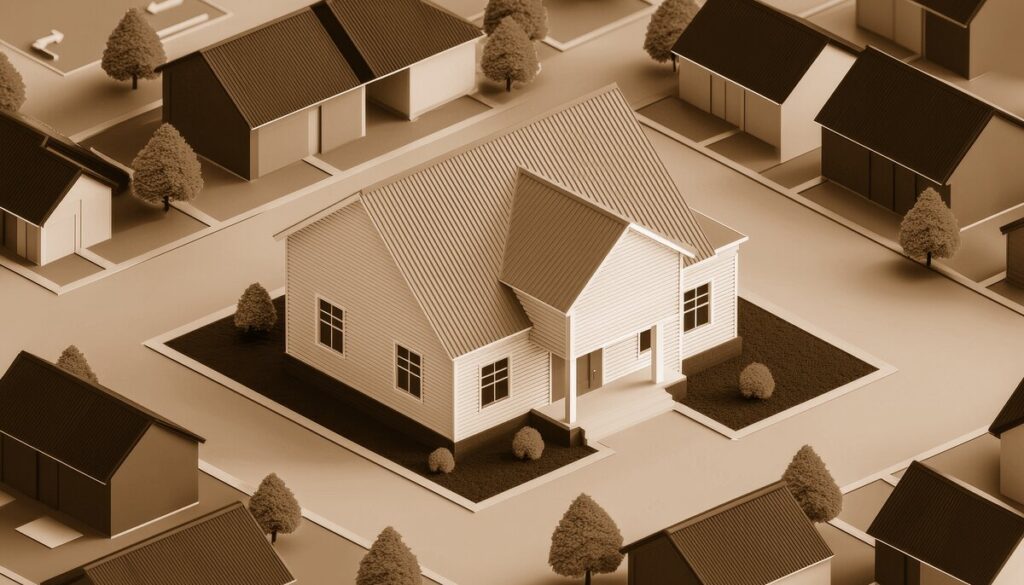
When you stroll the leafy, tree-lined avenues of Westmount, it’s easy to lose track of time. Nestled just southwest of downtown Columbia, Missouri, this neighborhood gracefully blends the echoes of its past with the vibrancy of modern life. Ask any resident, and they’ll tell you: Westmount isn’t just a place, it’s a feeling. Warm, welcoming, and rich with tales, the history of Westmount reveals why it has remained one of Columbia’s most beloved neighborhoods.
Origins: The Birth of Westmount
Westmount’s story begins in the early 20th century, a time when Columbia was rapidly expanding westward. The city, anchored by the University of Missouri, attracted professors, local business owners, and graduates who wanted a peaceful enclave away from the bustle of downtown. Westmount, perched atop a gentle hill and bordered by Stewart Road to the north and West Boulevard to the west, became the perfect spot.
The neighborhood’s earliest platting dates back to the 1920s, though some sources mark initial development even earlier. As Columbia’s first true suburb, Westmount offered a suburban ideal—broad streets, large lots, and a sense of pastoral calm. The landscape, dominated by stately hardwoods, made it distinct from denser downtown neighborhoods.
How Westmount Got Its Name
The charming moniker “Westmount” evokes images of rolling hills and scenic overlooks, and that’s exactly what early developers intended. The neighborhood sits on elevated ground, west of Columbia’s city center. “Westmount” is a nod both to its relative location and its picturesque topography. Residents who’ve walked up Ridge Road or enjoyed the elevation near Westmount Avenue know the subtle “mount” in Westmount’s geography wasn’t just clever marketing—it’s a notable part of its personality.
Key Historical Milestones
*1920s:*
- The first homes and streets are established, with many homes built in the popular Craftsman and Tudor revival styles of the day.
- The Westmount Improvement Association forms, dedicated to maintaining the neighborhood’s unique character and community values.
*1930s-1950s:*
- As Columbia grows, so does Westmount. Streets like Westmount Avenue, Thilly Avenue, and Ridge Road become dotted with elegant new homes.
- The neighborhood becomes a favorite among university faculty and local luminaries.
*1960s-1980s:*
- Zoning and infrastructure improvements solidify Westmount’s status as a premier address.
- The neighborhood, though largely built out, welcomes new families and witnesses the maturing of its signature trees—creating the lush canopy enjoyed today.
*1990s-Present:*
- Westmount embraces preservation, with residents championing efforts to maintain historic homes and green spaces.
- The neighborhood’s walkability, strong community association, and proximity to downtown and the university keep it thriving as one of Columbia’s most desirable places to live.
Notable Landmarks and Buildings
While Westmount is primarily residential, it boasts several landmarks that ground its heritage in Columbia’s broader history.
*Stewart Road:*
One of Westmount’s key thoroughfares, Stewart Road has long connected residents to both the university and downtown. The older homes along this stretch—many built before World War II—are living testaments to the neighborhood’s architectural pedigree.
*Westmount Park:*
Tucked at the corner of Edgewood Avenue and Westmount, this small but beloved green space offers playgrounds and shady benches. It’s a favorite for families, dog-walkers, and anyone seeking a quiet retreat under mature oaks.
*Historic Homes:*
Some residences in Westmount predate the official neighborhood boundaries, such as the stately home at 1501 Westmount Avenue, a local landmark admired for its architecture and storied ownership. Characteristic features in Westmount’s housing stock include hand-laid stonework, arched doorways, and charming front porches perfect for relaxing summer evenings.
*Nearby Institutions:*
Although not within Westmount’s strict boundaries, the proximity to West Boulevard Elementary School and Columbia’s iconic Faurot Field ties the neighborhood deeply to local history and culture. Many Westmount children have spent their formative years at West Boulevard Elementary, an institution as familiar as the tree swings lining neighborhood yards.
Evolution Over the Decades
Walking through Westmount today, you’ll see echoes of its history paired with signs of thoughtful evolution:
- *Community Spirit:* The Westmount Neighborhood Association remains active, hosting annual events, yard sales, and clean-ups that keep neighborly ties strong.
- *Diversity of Architecture:* While early homes skew Craftsman or Tudor, later infills have added ranches, Cape Cods, and mid-century modern gems—each contributing a unique facet to the neighborhood’s character.
- *Tree Canopy and Gardens:* Westmount’s mature trees are a source of pride. Spring awakens brilliant flowering dogwoods and redbuds, while summer brings dense greenery that shades sidewalks and frames lovely gardens.
- *Walkability and Connection:* The close proximity to Broadway, the MKT Trail, and the University of Missouri means Westmount residents enjoy easy access to recreation, culture, and dining.
Why Westmount Remains Special
Beyond its pretty facades and historical milestones, Westmount’s biggest draw may be its sense of rootedness. Generations of families have grown up here; front-porch chats and neighborly help are everyday occurrences. The neighborhood prides itself on blending heritage preservation with open-hearted hospitality—a place where newcomers are welcomed and traditions are cherished.
Whether it’s a fall stroll under golden leaves, a quick bike ride to campus, or an afternoon picnic in Westmount Park, this neighborhood radiates the enduring spirit of Columbia. In Westmount, the past is never far away—it lives on in every brick, tree, and friendly wave from across the street.